

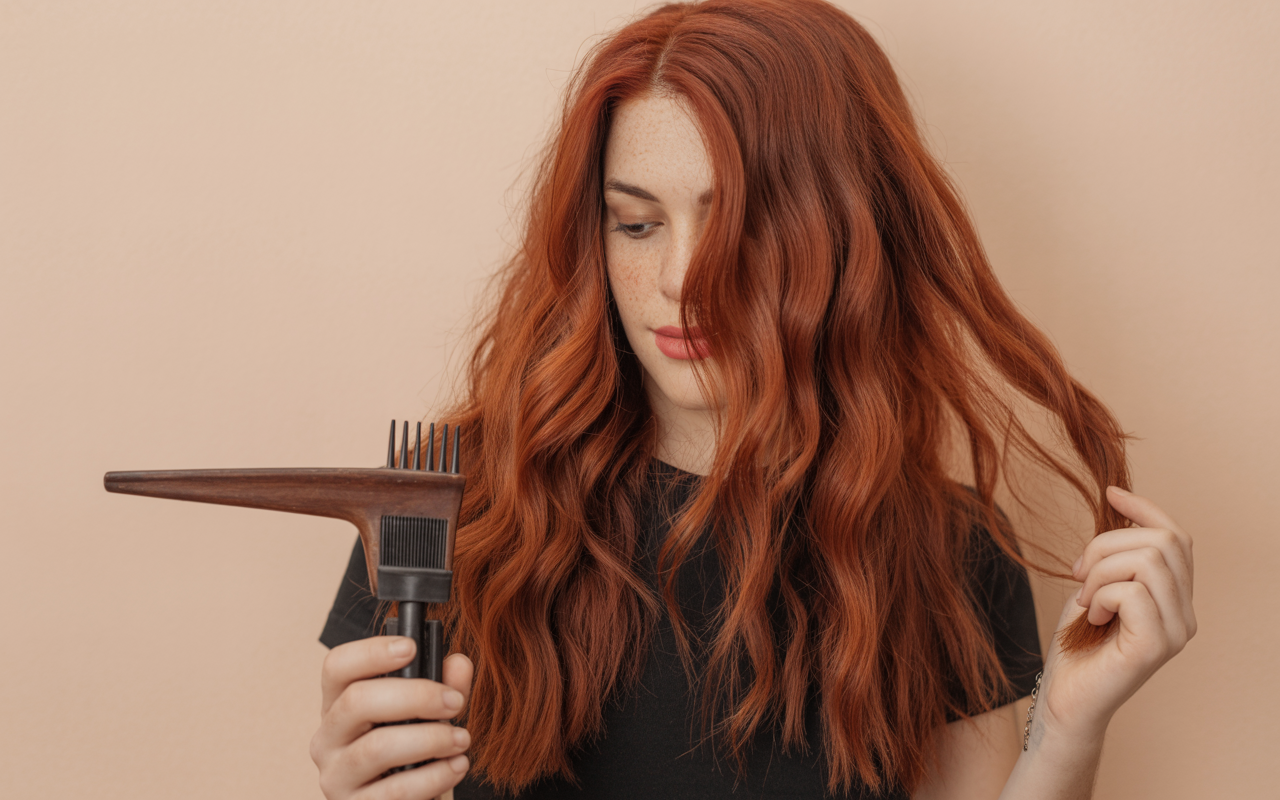
Hair color can be a game‑changer. It can lift your spirits, boost confidence, and even redefine how you see yourself in the mirror. But with so many options out there, how do you pick the right one? If you’re curious about healthier, vibrant hair color that doesn’t compromise hair health, you may have heard about Darhergao hair dye. In this in‑depth guide, we’ll walk you through everything anyone thinking about coloring their hair should know — from ingredients and how it works to application tips, real user experiences, and care routines after coloring.
Let’s dive in and explore how coloring your hair can be both beautiful and kind to your locks.
What Is Darhergao Hair Dye?
Imagine a hair dye that doesn’t just change your color, but actually takes care of your hair while doing it — that’s the idea behind Darhergao hair dye. Rather than relying on harsh chemicals that strip your hair’s moisture and leave it dry or brittle, this dye leans into gentler, plant‑derived extracts and nourishing oils.Instead of simply painting the outer layer of your hair, this kind of formula works with your hair’s structure so the pigment goes in deeper and stays vibrant longer, all while strengthening the fibers. 🌱 The Science Behind the Formula
At its heart, coloring hair is a science — not magic. Traditional dyes often use strong chemical developers and ammonia to open up the hair cuticle (outer layer) so color can penetrate. But that process can dry out hair and irritate the scalp. Darhergao hair dye takes a different route:
- Botanical extracts like henna and indigo help bind natural pigments deeply.
- Herbal additions such as amla and bhringraj strengthen hair and add shine.
- Conditioning oils like argan or ginseng extract keep strands soft and smooth.
- Low‑irritant technology reduces scalp sensitivity during application. It’s like baking a cake: you can use basic flour and water and get something edible, or you can add eggs, butter, and milk so it’s both tasty and satisfying. This dye uses extra nourishing ingredients so color and care occur in the same step.
Color Choices Available
One of the first questions is: “What colors can I actually get?” The palette tends to balance classic and wearable tones with options that feel fresh. You’ll find:
- Rich browns and deep espresso blacks
- Warm auburns and soft chestnut highlights
- Cool shades that pair well with lighter skin tones
These colors generally lean toward more natural‑looking results, rather than bright neon or fantasy hues.If you’re after pastels or loud fashion shades like electric blue or bubblegum pink, traditional box dyes or professional salon mixes may be more suitable. But for most people who want vibrant, healthy looking hair — this range checks a lot of boxes.
Why It’s Becoming Popular
So you might be wondering: why are people talking about this dye? A few reasons:
- Gentle on the scalp: Many users report less burning or itching compared with harsher dyes.
- Long‑lasting color: Formulas are designed to resist fading over multiple washes.
- Hair feels healthier after: Instead of strands feeling straw‑like, they feel softer and smoother.
- Eco‑friendly approach: With fewer harsh chemicals and some biodegradable components, it appeals to people seeking cleaner beauty options.
Like most trends, a lot of the buzz comes from people sharing their experiences online — whether in blog reviews or social media videos. 🧪 Key Ingredients and What They Do
Here’s a closer look at some of the things in the bottle and why they matter:
Together, they work like a care treatment and color deposit system in one.
Application: Step‑by‑Step (At Home)
Whether you’re new to coloring hair or have done it before, the idea of mixing and applying dye can feel intimidating. But the process is usually simple:
- Prepare hair: Wash it a day before so natural oils are not stripped away. Protect skin: Put petroleum jelly along your hairline and ears to avoid staining
- Mix the dye: Combine the color cream and developer until smooth
- Wait patiently: Leave on for around 25–40 minutes.
- Rinse and condition: Wash with warm water until clear and use a color‑safe conditioner.
After you’re done, it’s a good idea to avoid shampooing for the next couple of days so the pigments continue settling into the hair.
Tips for the Best Results
Here are practical pointers to make your color last longer and look healthier:
- Do a patch test first: Even natural ingredients can cause reactions.
- Quiz your undertone: Warm skin tones pair well with auburns and chestnuts; cool undertones suit ashier browns.
- Use sulfate‑free care products: Shampoo with sulfate can strip away color.
- Avoid hot water washes: Hot water accelerates fading.
- Eat nutrient‑rich foods: Vitamins help hair look vibrant from the inside too!
Think of hair care after coloring like keeping paint on a wooden floor: the better you protect it, the longer it stays beautiful.
Pros and Cons — A Fair View
No product is perfect for everyone. Here’s a quick, honest breakdown:
Benefits People Notice
- Gentler feel on scalp than strong chemical dyes.
- Nourishes while coloring.
- Vivid, long‑lasting shades.
- Easy at‑home application.
- Suitable for various hair types.
What Might Be Less Perfect
- Some shades may need pre‑lightened hair for lighter results.
- Regional availability can vary.
- Not ideal for loud fantasy hues (neon, deep blue, etc.).
- A few sensitive scalps may still react despite gentler formula.
The goal is to weigh both sides fairly so you know what to exect.
How It Compares to Traditional Dyes
Traditional box dyes often rely on strong ammonia and developers that lift the hair’s cuticle aggressively. This allows intense color entry but at the cost of dryness and damageDarhergao’s gentler alternative uses low‑irritant technology that loosens hair layers just enough for pigments to enter without aggressive lifting. That’s why many find it easier on the scalp and texture of hair.
The result? Strong color, less dryness and a shine that feels natural — instead of making hair feel straw‑like after coloring.
Real User Experiences
While the science and claims paint a hopeful picture, what do real people say?
Across forums and reviews, many users are happy with:
- Even, vibrant tones that don’t fade quickly.
- Softer hair feel after dyeing than with older products.
- Reduced irritation and stronger confidence when styling at home.
Although individual experiences vary — especially depending on hair type or prior treatments — many report positive results when instructions are followed carefully.
Environmental and Ethical Notes
Another reason people appreciate this type of dye is its more eco‑aware approach:
- Plant‑based ingredients reduce reliance on synthetic chemicals.
- Biodegradable components help lessen environmental impact.
- Cruelty‑free practices are often highlighted by brands in this category.
For many beauty lovers, products that perform well while honoring ethical and ecological concerns feel more satisfying to use.
Choosing What’s Right for You
If you’re on the fence about trying a new hair color product, think about:
- Your goals: Do you want natural shades or vibrant fantasy tones?
- Hair history: Has your hair been chemically processed before?
- Sensitive scalp concerns: Are you prone to itching or irritation?
- Care commitment: Are you ready to use color‑safe products afterward?
Understanding these factors helps guide your decision more confidently.
Final Thoughts
Coloring your hair can be an exciting way to express yourself and refresh your look. But it shouldn’t come at the cost of dry, brittle hair or irritated scalps. Options that balance style with care — like the one we’ve explored here — offer a gentle yet effective way to make the transformation you want.Whether you’re touching up gray, trying a warmer auburn, or simply exploring something new, appreciating how the dye works and caring for your hair afterward can make all the difference. After all, beautiful color should go hand in hand with healthy hair and confidence.
Frequently Asked Questions
- Is this type of hair dye safe for all hair types?
Yes, most formulas are designed to work on different textures, including straight, curly, thick, and fine hair. Always perform a patch test first to ensure your scalp doesn’t react to any ingredient.2. How long does the color usually last after application?
With proper care and using gentle shampoos, the color can stay vibrant for about 5–6 weeks, though results vary by hair care routine. 3. Can I use it after bleaching my hair?
Yes — but wait at least a week after bleaching so your scalp and strands have time to recover before recoloring. 4. Will this cover gray hair completely?
Darker shades tend to give fuller coverage, while lighter tones may need slightly longer processing time for thorough results. 5. Is it better than traditional box dyes?
It’s gentler and often more nourishing, though traditional dyes may offer a wider range of bold or fantasy colors. The best choice depends on your goals and sensitivity to chemicals


