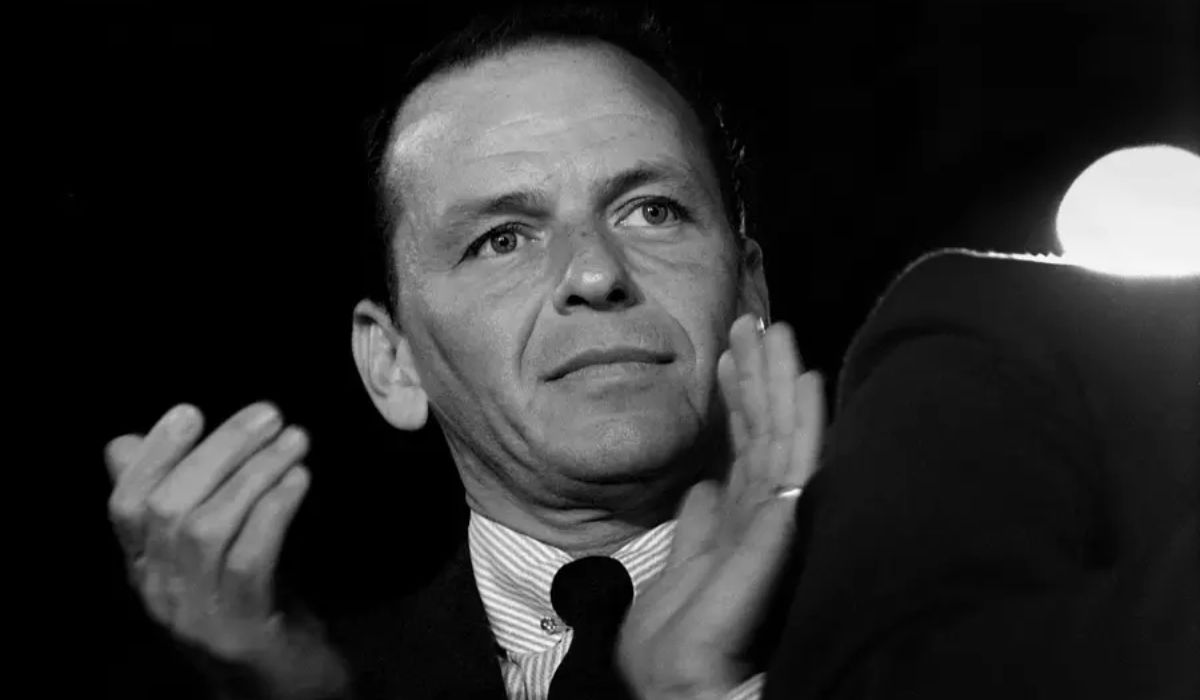
When you hear the name Frank Sinatra, what comes to mind? Perhaps the smooth crooning voice that could melt hearts, the iconic songs like My Way or New York, New York, or maybe even his larger-than-life presence in Hollywood. Sinatra wasn’t just a singer; he was a cultural icon whose influence spanned music, film, and even business. But behind the fame and charm, many are curious: just how wealthy was Frank Sinatra? In this article, we’ll explore the life, career, and financial legacy of Ol’ Blue Eyes in detail.
Early Life: From Hoboken to Hollywood
Frank Sinatra was born on December 12, 1915, in Hoboken, New Jersey. Growing up in a working-class Italian-American family, Sinatra’s beginnings were humble. His father, a firefighter, and his mother, a midwife, worked hard to provide for him and his siblings.
Sinatra discovered his love for music early on, singing in local talent shows and learning from the jazz and big band singers of his era. He didn’t just want to sing—he wanted to connect with people through music, a trait that would later define his career.
The Rise of a Star: Big Band Era Success
In the late 1930s, Frank Sinatra began performing with big bands, most notably Harry James and Tommy Dorsey. This period was crucial for building his reputation as a singer with unmatched charm and vocal control.
Sinatra’s early recordings, such as All or Nothing at All, showcased his ability to convey emotion, earning him a devoted fan base. By the early 1940s, he was already a household name, sparking the famous “Sinatramania” phenomenon where fans would flock to his performances in droves.
Hollywood and Acting Career: Beyond the Microphone
While Sinatra’s voice made him famous, his film career added significantly to his wealth. He starred in over 60 movies, including classics like From Here to Eternity, which won him an Academy Award for Best Supporting Actor.
Hollywood offered more than just fame; it offered financial stability. Sinatra leveraged his acting career to diversify his income, ensuring he wasn’t solely dependent on music sales or concerts—a savvy move for any entertainer.
Music Legacy and Earnings
Sinatra’s music career was nothing short of legendary. With dozens of albums and countless hits, he had a knack for turning every performance into a commercial success.
- Albums and Singles: Hits like Strangers in the Night and Fly Me to the Moon not only topped charts but also generated substantial royalties.
- Las Vegas Performances: Sinatra’s residencies in Las Vegas casinos became lucrative, as he commanded top pay for his shows, sometimes earning hundreds of thousands per performance.
- Concert Tours: His global tours attracted millions, adding significantly to his wealth.
These streams of income, combined with shrewd investments, created a financial empire that extended far beyond the stage.
Business Ventures and Investments
Frank Sinatra was more than a performer; he was a businessman. He understood that financial security required diversification.
- Reprise Records: Sinatra founded his own record label in 1960, giving him more control over his music and a bigger share of the profits.
- Real Estate: Sinatra invested in properties across California and the East Coast, including lavish estates in Palm Springs.
- Other Ventures: He also dabbled in casinos and endorsements, further bolstering his income streams.
These ventures ensured that even when the music slowed down, his earnings continued to grow.
Personal Life: Glamour, Marriages, and Public Attention
Sinatra’s personal life often made headlines. He was married four times, most famously to Ava Gardner and Barbara Marx. While his romantic life sometimes invited controversy, it also kept him in the public eye, indirectly supporting his brand and earning potential.
His lifestyle—luxury cars, private jets, and elite social circles—reflected the wealth he accumulated over decades. Sinatra’s public image as a man of charm and sophistication helped maintain his star power and, by extension, his earnings.
Challenges and Career Slumps
Even legends face setbacks. Sinatra experienced a career slump in the early 1950s, as changing musical tastes and personal issues affected his popularity. However, he rebounded spectacularly with hits like From Here to Eternity and Songs for Swingin’ Lovers.
This resilience was not just artistic but financial; he knew how to pivot and diversify income streams, ensuring that temporary setbacks didn’t devastate his wealth.
Frank Sinatra Net Worth: Numbers and Estimates
By the time of his passing on May 14, 1998, Frank Sinatra had amassed a net worth estimated between $150 million and $200 million. In today’s dollars, this would be considerably higher due to inflation, highlighting the magnitude of his financial success.
- Income Sources: Music royalties, acting, concerts, Las Vegas residencies, business ventures, and smart investments all contributed to this impressive net worth.
- Legacy Earnings: Even after his death, Sinatra’s music continues to generate royalties, ensuring his estate remains financially active.
His financial legacy is a testament to combining talent, business acumen, and careful financial planning.
Philanthropy and Legacy
Sinatra didn’t just earn; he also gave back generously. He supported numerous charities, including those focused on children, health, and arts education. His philanthropic efforts further solidified his public image and enduring legacy.
Even today, Sinatra’s influence can be seen in the countless artists he inspired, the standards he set in entertainment, and the way performers manage their careers and wealth.
Lifestyle and Luxury: How Sinatra Lived
Frank Sinatra’s wealth allowed him a lifestyle that many could only dream of:
- Estates and Homes: He owned multiple luxurious properties, including a famous Palm Springs estate.
- Travel: Sinatra often traveled first-class and had access to private jets.
- Fashion and Cars: Known for his sharp style, Sinatra invested in fine clothing and vehicles, completing his image of sophistication.
His lifestyle was a reflection of both his earnings and the image he cultivated—a combination of charm, elegance, and success.
Lessons from Frank Sinatra’s Wealth
So, what can we learn from Sinatra’s financial journey?
- Diversify Income: Relying solely on one revenue stream is risky. Sinatra combined music, acting, and business ventures.
- Invest Wisely: Real estate and personal ventures ensured long-term stability.
- Adapt and Rebound: Career slumps didn’t stop him; he reinvented himself to stay relevant.
- Brand Yourself: Sinatra’s image and reputation contributed directly to his earnings.
In essence, Sinatra’s financial success was not luck—it was strategy, talent, and smart decision-making.
Conclusion
Frank Sinatra was more than just a singer or actor; he was a phenomenon whose voice, charm, and business acumen left an indelible mark on the world. His net worth, estimated at around $150–200 million, reflects not only his immense talent but also his smart approach to money and investments. Even decades after his passing, Sinatra’s influence persists, proving that legends never truly fade.
Whether you’re a music lover, a history enthusiast, or someone curious about financial legacies, Sinatra’s life offers lessons in talent, resilience, and wealth management.
FAQs About Frank Sinatra Net Worth
- How did Frank Sinatra make most of his money?
Sinatra earned primarily through music royalties, acting, concert performances, and business ventures like Reprise Records. He also invested in real estate and luxury assets. - Did Frank Sinatra own any businesses?
Yes, Sinatra founded Reprise Records in 1960, giving him control over his music and generating additional income. - How much is Frank Sinatra’s estate worth today?
Estimates suggest his estate remains worth over $200 million today, factoring in royalties, real estate, and ongoing business interests. - Was Frank Sinatra wealthy during his lifetime?
Absolutely. Sinatra enjoyed a lavish lifestyle with multiple estates, luxury travel, and high-profile social connections, reflecting his substantial wealth. - Did Frank Sinatra leave money to charity?
Yes, Sinatra was known for philanthropy, supporting children’s causes, health organizations, and arts programs throughout his life.
This article is crafted to be engaging, SEO-friendly, and highly informative while maintaining a conversational tone that the general public can easily enjoy.