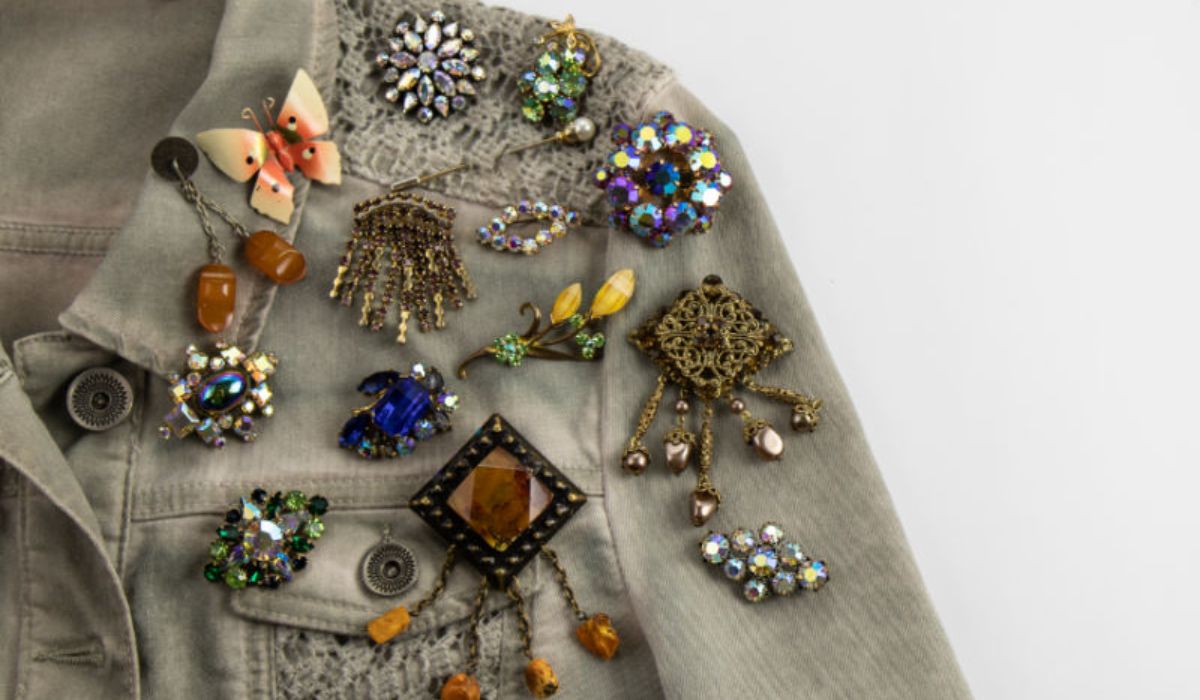
Sagės—commonly known as brooches—are more than decorative pins. They are storytellers in metal and stone, small objects with the power to hold memories, express identity, and transform an outfit in seconds. Think of a sagė as the punctuation mark of fashion: small, intentional, and capable of changing the tone of the entire sentence. Ever noticed how a simple coat suddenly feels complete once a brooch is added? That’s the quiet magic we’re exploring today.
In this comprehensive guide, we’ll walk through the world of sagės—from their ancient roots to modern styling, materials, symbolism, care, and why they’re enjoying a fresh renaissance. Whether you’re curious, collecting, or considering your first piece, this article speaks to you in plain language, with practical insights and a friendly tone.
What Are Sagės and Why Do They Matter?
At their core, sagės are decorative fasteners worn on clothing. But reducing them to function alone would be like calling a poem “just words.” Historically, they secured garments; today, they secure attention.
Sagės matter because they blend function, beauty, and meaning. They’re one of the few accessories that can be both practical and deeply personal. A ring or necklace often follows rules; a brooch breaks them. You choose where it goes, how it’s worn, and what it says.
A Brief History of Sagės Through the Ages
Sagės have traveled through centuries like loyal companions, adapting to every era’s needs and tastes.
Ancient Beginnings
Early sagės appeared as fibulae—simple metal pins used by ancient civilizations to hold cloaks together. These weren’t just tools; they signaled rank and status.
Medieval and Renaissance Eras
During these periods, sagės became ornate. Precious metals and gemstones turned them into symbols of wealth and devotion, often featuring religious or heraldic motifs.
Victorian to Art Deco
This era transformed sagės into emotional keepsakes. Mourning brooches, cameos, and nature-inspired designs flourished. Later, Art Deco introduced geometry and bold contrasts.
Modern Times
Today’s sagės are playful, minimalist, bold, or sentimental—sometimes all at once. They’re no longer bound by rules, which is exactly why they’re back in style.
Types of Sagės You’ll Commonly See
Not all sagės speak the same language. Each type carries its own personality.
Classic Brooches
These are traditional pin-backed pieces, often floral or abstract, suitable for formal and casual wear alike.
Cameo Sagės
Recognizable by their raised profiles, cameo sagės often depict faces or scenes and carry a vintage charm.
Statement Sagės
Large, bold, and unapologetic. These are conversation starters, perfect when you want your accessory to lead the outfit.
Minimalist Sagės
Clean lines, simple shapes, and subtle finishes. Ideal for modern wardrobes and everyday wear.
Materials That Define Sagės
Materials are the soul of a sagė. They determine not only how it looks but how it feels and lasts.
Precious Metals
Gold, silver, and platinum add durability and timeless appeal. These pieces often become heirlooms.
Gemstones and Crystals
From diamonds to colored stones, these add sparkle and symbolism. Each stone carries its own emotional tone.
Enamel and Glass
Bright, artistic, and expressive. These materials allow for color storytelling and creative freedom.
Natural Elements
Pearls, wood, shells, and even textiles bring warmth and organic beauty.
The Symbolism Behind Sagės
Sagės often say what words can’t.
A flower design might represent growth or remembrance. An animal motif can signal strength, freedom, or protection. Even abstract shapes can symbolize balance or movement.
Many people wear sagės as emotional anchors—gifts from loved ones, markers of milestones, or quiet reminders of personal journeys. In that sense, a sagė is like a bookmark in the story of your life.
How to Style Sagės Without Overthinking It
Styling a sagė doesn’t require fashion school. It just needs confidence and a little curiosity.
On Outerwear
Pin it on a coat lapel, scarf, or blazer. This is the most classic placement and always works.
On Dresses and Tops
Try placing it near the shoulder, waist, or even at the neckline for a modern twist.
Unexpected Places
Hats, bags, belts, or even shoes—why not? Rules are optional here.
The key question to ask yourself is simple: Does this placement feel like me? If yes, you’re doing it right.
Sagės in Modern Fashion Trends
Fashion has a habit of rediscovering old friends, and sagės are enjoying their moment again.
Designers and everyday wearers alike are embracing them as tools of self-expression. In a world of fast fashion, sagės feel personal and intentional. They allow you to refresh an outfit without buying something new, making them both stylish and sustainable.
Collecting Sagės: A Hobby With Heart
Collecting sagės is like building a gallery you can wear.
Some collectors focus on eras, others on materials or themes. The joy isn’t just in ownership but in the hunt—finding pieces that resonate with your taste and story.
If you’re starting out, trust your instincts. The best collections are guided by affection, not trends.
Caring for Your Sagės Properly
A sagė may be small, but it deserves attention.
- Store them separately to avoid scratches
- Clean gently with a soft cloth
- Avoid moisture and harsh chemicals
- Check clasps and pins regularly
Think of care as a quiet thank-you for the beauty they bring into your life.
Sagės as Meaningful Gifts
Few gifts feel as thoughtful as a sagė. Why? Because it’s both beautiful and symbolic.
Whether given to celebrate an achievement, mark a memory, or simply say “I see you,” a sagė carries emotional weight without being overwhelming. It’s a gift that grows more meaningful over time.
Why Sagės Will Never Go Out of Style
Trends come and go, but sagės endure because they adapt. They don’t demand attention—they invite it. Like a well-told story, they remain relevant because people keep finding new meanings in them.
In a fast-moving world, sagės slow things down. They remind us that beauty can be intentional, personal, and lasting.
Conclusion: Small Pins, Big Stories
Sagės may be modest in size, but their impact is anything but small. They bridge history and modern life, function and feeling, fashion and memory. Whether worn daily or saved for special moments, each sagė becomes part of your narrative.
So next time you pin one on, pause for a second. Ask yourself: What story am I telling today? Chances are, it’s a good one.
Frequently Asked Questions
What makes sagės different from other jewelry?
Sagės offer flexible styling and deeper symbolism, allowing wearers to express personality in unique ways.
Can sagės be worn casually?
Absolutely. They work just as well on denim jackets and sweaters as they do on formal wear.
Are vintage sagės valuable?
Value depends on age, materials, craftsmanship, and condition. Emotional value often matters just as much as monetary worth.
How do I choose the right sagė for myself?
Choose what resonates with you visually or emotionally. There’s no universal rule—only personal connection.
Are sagės suitable for all ages?
Yes. Sagės transcend age and style boundaries, making them timeless accessories for everyone.