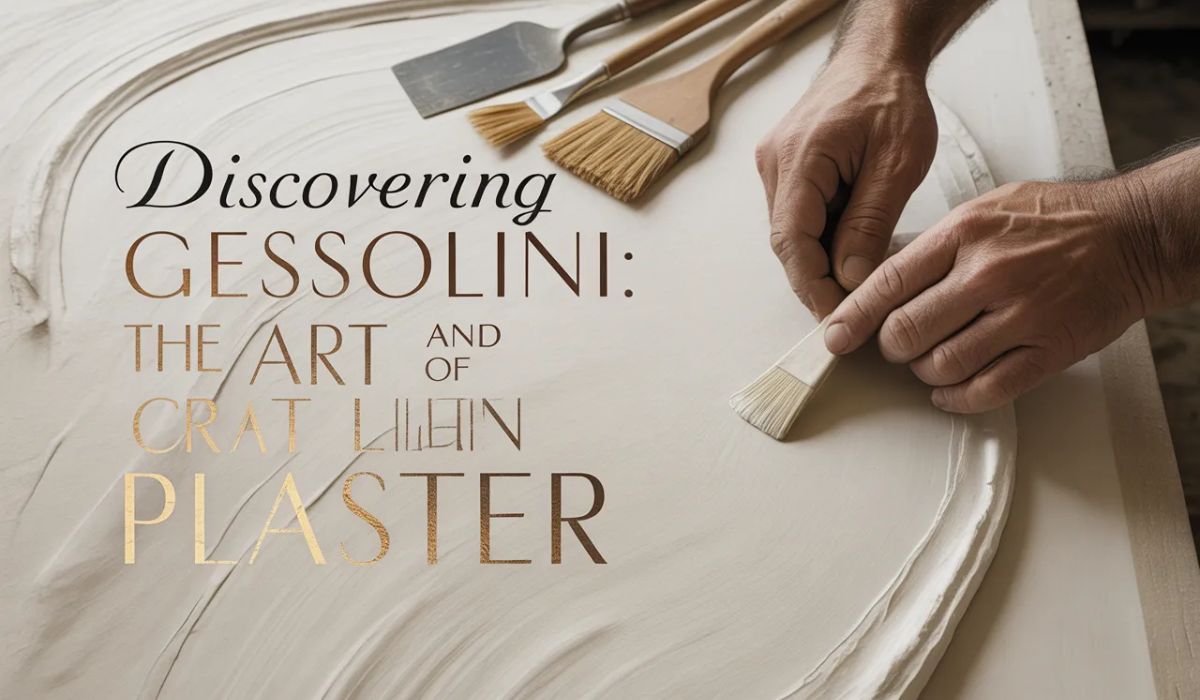
Have you ever walked into a room and admired the intricate plasterwork on the walls or ceilings? Those delicate designs, smooth finishes, and subtle textures often have a fascinating story behind them. One material that has been quietly shaping interiors for centuries is gessolini. While it might sound like a niche term, it represents a blend of art, craftsmanship, and history that is truly captivating.
In this article, we’ll explore gessolini from every angle: what it is, how it’s made, its uses, techniques, and why it continues to charm architects, designers, and homeowners alike. Whether you’re curious about DIY projects or just love interior design, this guide will give you a comprehensive look at gessolini.
What Is Gessolini?
At its core, gessolini is a type of fine plaster, traditionally made from gypsum. Unlike standard plaster, which is often used just for smoothing walls, gessolini is designed for detail, texture, and decorative purposes. Think of it as the difference between plain icing on a cake and elaborate piped designs—both are plaster, but one is an art form.
Gessolini has roots in Italian craftsmanship, particularly in creating ornamental moldings, cornices, and ceiling decorations. Its smooth texture allows for intricate designs that stand out without looking heavy or clunky.
A Brief History of Gessolini
The origins of gessolini trace back to Renaissance Italy, where skilled artisans sought to enhance interiors with plasterwork that mimicked stone carvings. In those days, creating detailed sculptures in marble was costly and time-consuming. Gessolini offered an affordable, versatile alternative that could be molded, painted, or gilded.
Over the centuries, its use spread across Europe, particularly in churches, theaters, and grand homes, where plaster ceilings with elaborate designs became a symbol of elegance and refinement. Today, it is both a traditional craft and a modern design material, bridging historical aesthetics with contemporary interior design trends.
The Composition of Gessolini
What makes gessolini so special is its unique composition. While exact formulas can vary, the main ingredients usually include:
- Gypsum Powder: The primary base that hardens after mixing with water.
- Water: Activates the gypsum, allowing it to set.
- Additives: Small amounts of lime or glue can improve adhesion and durability.
- Pigments (optional): Used for coloring or tinting the plaster for decorative effects.
This simple combination allows for flexibility, enabling artisans to craft fine details that harden to a smooth, durable finish.
How Is Gessolini Made?
The process of making gessolini is surprisingly hands-on. Here’s a simplified breakdown:
- Mixing: Gypsum powder is combined with water to form a smooth paste. The ratio must be precise; too much water can make the plaster weak, too little makes it hard to work.
- Optional Additives: Depending on the desired finish, natural additives may be incorporated.
- Shaping and Application: The plaster is applied to surfaces using trowels, molds, or sculpting tools.
- Drying and Curing: Gessolini sets quickly, often within 30–60 minutes, but full hardness develops over several hours or days.
- Finishing: Once dry, surfaces can be sanded, painted, or left natural for a classic, white aesthetic.
This blend of chemistry and craft makes gessolini both functional and decorative, suitable for walls, ceilings, and even custom sculptures.
Different Types of Gessolini
Gessolini isn’t one-size-fits-all. There are several variations depending on texture, finish, and intended use:
- Smooth Gessolini: Used for sleek, minimalist walls.
- Textured Gessolini: Creates a rustic or artistic effect.
- Ornamental Gessolini: Designed for moldings, cornices, and decorative reliefs.
- Colored Gessolini: Mixed with pigments for subtle or bold accents.
By choosing the right type, designers can enhance a room’s mood, style, and visual appeal.
Uses of Gessolini in Interior Design
Gessolini is incredibly versatile. Some common uses include:
- Ceiling Decorations: Cornices, medallions, and decorative borders.
- Wall Finishes: Smooth walls or textured feature walls.
- Architectural Details: Columns, pilasters, and niche accents.
- Furniture and Accessories: Sometimes applied to create sculpted panels or decorative furniture pieces.
Imagine a modern living room with a sleek sofa and a ceiling adorned with subtle gessolini patterns—it’s a combination of simplicity and elegance that feels timeless.
The Benefits of Using Gessolini
Why do designers and homeowners love gessolini? The benefits are plenty:
- Aesthetic Flexibility: Can be molded into any shape or design.
- Durability: Properly applied, it lasts for decades.
- Eco-Friendly: Made from natural gypsum, it’s non-toxic and sustainable.
- Quick Drying: Allows for faster project completion compared to traditional plaster.
- Lightweight Alternative to Stone: Offers the look of sculpted stone without the weight or cost.
In short, gessolini combines beauty, practicality, and sustainability—a rare trio in the world of construction materials.
Techniques for Applying Gessolini
Applying gessolini is both an art and a skill. Here are some common techniques:
- Hand Application: Using trowels or spatulas to create smooth or textured surfaces.
- Molding: Pouring plaster into molds for repeated decorative elements.
- Layering: Building up layers for depth and relief designs.
- Polishing and Sanding: Achieving a perfectly smooth or glossy finish.
Think of it like painting a portrait—each stroke or layer adds nuance, depth, and personality.
Gessolini in Modern Architecture
Even in today’s world of glass, steel, and minimalism, gessolini remains relevant. Modern architects use it to:
- Add softness and warmth to stark interiors.
- Highlight focal points like ceilings or archways.
- Combine traditional craftsmanship with contemporary design trends.
It’s like adding a subtle signature to a room—a nod to heritage without overpowering modern aesthetics.
DIY Gessolini Projects at Home
For the adventurous homeowner, gessolini can even be a DIY material. Some beginner-friendly projects include:
- Creating small wall medallions or panels.
- Adding textured accents to walls or furniture.
- Making custom decorative objects like candle holders or frames.
With patience, the right tools, and a little practice, anyone can bring the elegance of gessolini into their living space.
Common Mistakes to Avoid
While gessolini is versatile, beginners often make mistakes:
- Using too much water: Weakens the plaster and causes cracks.
- Skipping proper curing: Can lead to flaking or uneven texture.
- Overworking the plaster: May remove fine details or create unwanted marks.
- Ignoring surface preparation: Plaster won’t adhere well to dirty or dusty walls.
Remember, patience and preparation are just as important as skill when working with gessolini.
Caring for Gessolini Surfaces
Maintaining gessolini is straightforward:
- Dust regularly with a soft cloth or brush.
- Avoid harsh chemicals that can erode the plaster.
- Repair minor cracks with a small amount of fresh plaster.
- Consider sealing or painting surfaces for added protection.
With proper care, a gessolini finish can last for decades, keeping interiors elegant and timeless.
Conclusion
Gessolini may seem like a simple plaster, but it carries centuries of history, artistry, and versatility. From ornate ceilings in Renaissance palaces to modern minimalist homes, it continues to captivate designers and homeowners alike. Its ability to combine functionality with decoration makes it a material worth exploring, whether you’re a professional or just a curious enthusiast.
Next time you admire a beautifully finished wall or ceiling, take a closer look—you might just be standing in the subtle elegance of gessolini.
FAQs About Gessolini
- What is the main difference between gessolini and regular plaster?
Gessolini is finer and more decorative, designed for intricate details, while regular plaster is mainly for smoothing walls. - Can I use gessolini for outdoor projects?
It’s primarily for indoor use, as prolonged exposure to moisture can damage it. Special formulations are needed for exteriors. - How long does gessolini take to dry?
It sets in about 30–60 minutes but reaches full hardness over several hours to days, depending on thickness and environmental conditions. - Is gessolini safe for home use?
Yes, it’s made from natural gypsum and non-toxic materials, making it safe for indoor use. - Can beginners work with gessolini?
Absolutely! Simple projects like wall accents or small decorative panels are beginner-friendly, though practice helps achieve professional results.